
Gegevensmigratie
Veel organisaties bereiken uiteindelijk een punt waarop hun data-inrichting van een aanwinst verandert in een belemmering voor groei. In deze organisaties leeft informatie in gescheiden systemen die niet met elkaar praten, wat de lancering van digitale en AI-initiatieven belemmert, aangezien de data niet op peil is. Overstappen van een gefragmenteerde inrichting naar een fundament dat waarde levert, hoeft geen moeizaam project te zijn met een praktische stapsgewijze aanpak; het proces wordt snel en efficiënt, met resultaten onderweg.
De frictie veroorzaakt door verouderde systemen kost organisaties vaak meer dan ze zich realiseren. Opstellingen met on-premise databases, losgekoppelde tools en handmatige exporten zijn gebouwd voor een andere tijd. Het draaiende houden hiervan betekent trage queries, dure onderhoudskosten en een lage kans om hierop moderne AI-oplossingen te bouwen. Migreren naar een modern, cloudgebaseerd platform verwijdert deze fricties permanent. Het samenbrengen van data uit verschillende bronnen op één plek zorgt er ook voor dat deze altijd up-to-date is.
Nul Downtime Ziekenhuis Migratie
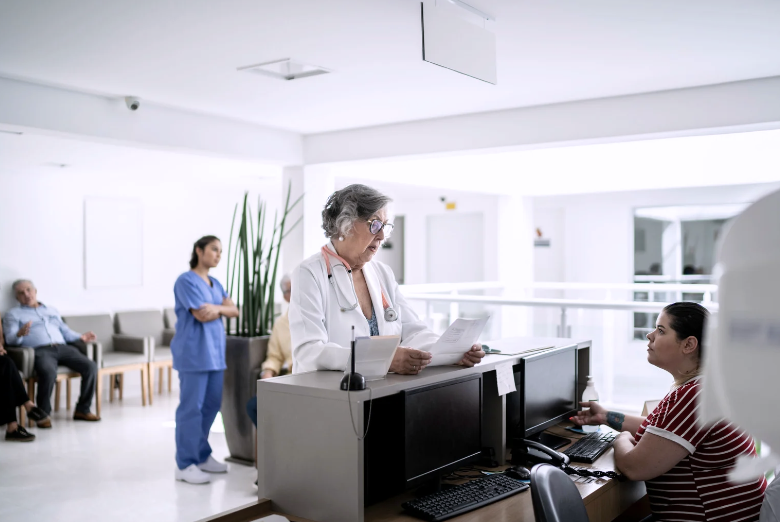
Een regionaal ziekenhuis stond voor een uitdagende taak met hoge inzet: de migratie van de gehele infrastructuur naar de cloud, terwijl de patiëntengegevens gedurende het hele traject toegankelijk moesten blijven. Het project werd beperkt door een zeer korte tijd voor de migratiedag en verder gecompliceerd door ernstige beperkingen in de netwerkbandbreedte. In een zorgomgeving is downtime een risico voor de patiëntenzorg, dus de uitdaging was om een enorme hoeveelheid gegevens door een smalle pijp te verplaatsen zonder de dagelijkse operaties te verstoren.
We hebben een Lakehouse-architectuur gebruikt als een strategische cachinglaag binnen de migratie-pipeline. In plaats van te proberen een massale data dump te doen die het netwerk zou hebben overbelast, hebben we alleen de meest recente wijzigingen verplaatst, waardoor de beperkingen van de bandbreedte effectief werden omzeild. We maakten gebruik van datawarehousing-mogelijkheden om tabellen in realtime te transformeren naar de vereiste formaten, terwijl een geautomatiseerde scheduler de gehele verplaatsing orkestreerde. Het resultaat was een migratie die de verwerking van meer dan 11 miljard records naadloos afhandelde, waardoor kritieke gegevens live en betrouwbaar bleven voor de mensen die er het meest van afhankelijk zijn.
In tegenstelling tot standaard databases in de cloud, is een modern, cloudgebaseerd dataplatform een gestructureerde omgeving die is ontworpen voor betrouwbaarheid, vooral in situaties waarin gegevens te allen tijde beschikbaar moeten zijn. Met moderne dataplatforms worden ruwe gegevens automatisch verzameld en georganiseerd tot één enkele bron van waarheid, of dit nu in een ERP, CRM of een gespecialiseerd operationeel hulpmiddel is. Deze architectonische verschuiving maakt het voor teams mogelijk om zich te concentreren op het verzamelen van inzichten uit een betrouwbare gegevensstroom, in plaats van te worden beperkt door de kwaliteit van de gegevens of bandbreedtebeperkingen.
De overgang hoeft niet te betekenen dat alles wordt uitgeschakeld en opnieuw wordt begonnen. Door gefaseerd te migreren en de resultaten onderweg te valideren, werken de meeste organisaties binnen enkele weken met schonere gegevens en snellere query's. Deze gefaseerde reis stelt organisaties in staat momentum op te bouwen door te beginnen met de meest kritieke gegevens en direct resultaten met een hoge waarde te leveren. Zodra de basis is gelegd, zijn de drempels voor het adopteren van meer geavanceerde initiatieven, zoals AI, aanzienlijk lager.
Efficiëntie door infrastructuurmodernisering
Een klant bevond zich in de knel door de groeiende financiële druk van een exorbitante en verouderde IT-infrastructuur. Hun bestaande systeem was niet alleen duur in onderhoud, maar was ook een aanzienlijke belemmering geworden voor hun algehele efficiëntie, wat leidde tot een constante vertraging in hun vermogen om zich aan te passen aan nieuwe markteisen. De uitdaging was een strategische crisis waarbij hun budget werd opgeslokt door het onderhoud van verouderde technologie in plaats van door het stimuleren van het bedrijf of het verkennen van nieuwe digitale initiatieven.
Om dit aan te pakken, hebben we een uitgebreide migratie van hun gegevens naar een moderne cloudomgeving uitgevoerd, waarbij we handmatige, onderhoudsintensieve processen hebben vervangen door een gestroomlijnde architectuur. Door de starre beperkingen van hun verouderde infrastructuur achter ons te laten, hebben we een systeem geïmplementeerd dat zorgt voor nauwkeurige, geautomatiseerde rapportage voor de toekomst. Dit was niet zomaar een verplaatsing van bestanden, maar een heroverweging van hoe hun gegevens verwerkt konden worden om verspilling tot een minimum te beperken. Door deze toepassing van geavanceerde technologie realiseerde de klant een opmerkelijke kostenbesparing van 25%, waardoor hun infrastructuur van een financiële last werd omgevormd tot een slanke motor voor toekomstige groei.

De meeste AI-projecten lopen niet vast vanwege de technologie, maar vanwege de onderliggende gegevens, die vaak ongestructureerd of ontoegankelijk zijn. Zodra de infrastructuur gereed is, wordt het automatiseren van processen, het schalen over meerdere merken of het bouwen van voorspellende modellen een eenvoudige taak in plaats van een jarenlange worsteling. Teams die meer tijd besteden aan het beheren van gegevens dan aan het gebruiken van die gegevens voor besluitvorming, is een duidelijk teken dat de opstelling de organisatie tegenhoudt. Migreren naar een toekomstbestendige basis draait helemaal om het creëren van flexibiliteit om te reageren op wat de toekomst.
Klaar om resultaten te boeken?
Wij bieden pragmatische migratiestrategieën die zijn afgestemd op uw specifieke infrastructuur en uw bedrijfsdoelen. We bespreken graag wat een praktische, stapsgewijze overgang voor uw organisatie inhoudt.